The Estate Honey
We have always had a soft spot for honey.
Raw honey is one of those remarkable foods that seems almost miraculous when you stop to consider how it is made. Thousands of bees visit countless blossoms, gathering tiny quantities of nectar and carrying them home to the hive, where they are gradually transformed into something entirely different. The aroma, color and flavor of the finished honey reflect the flowers, trees and landscape from which it came.
That makes the environment surrounding a hive enormously important to the quality of honey produced.
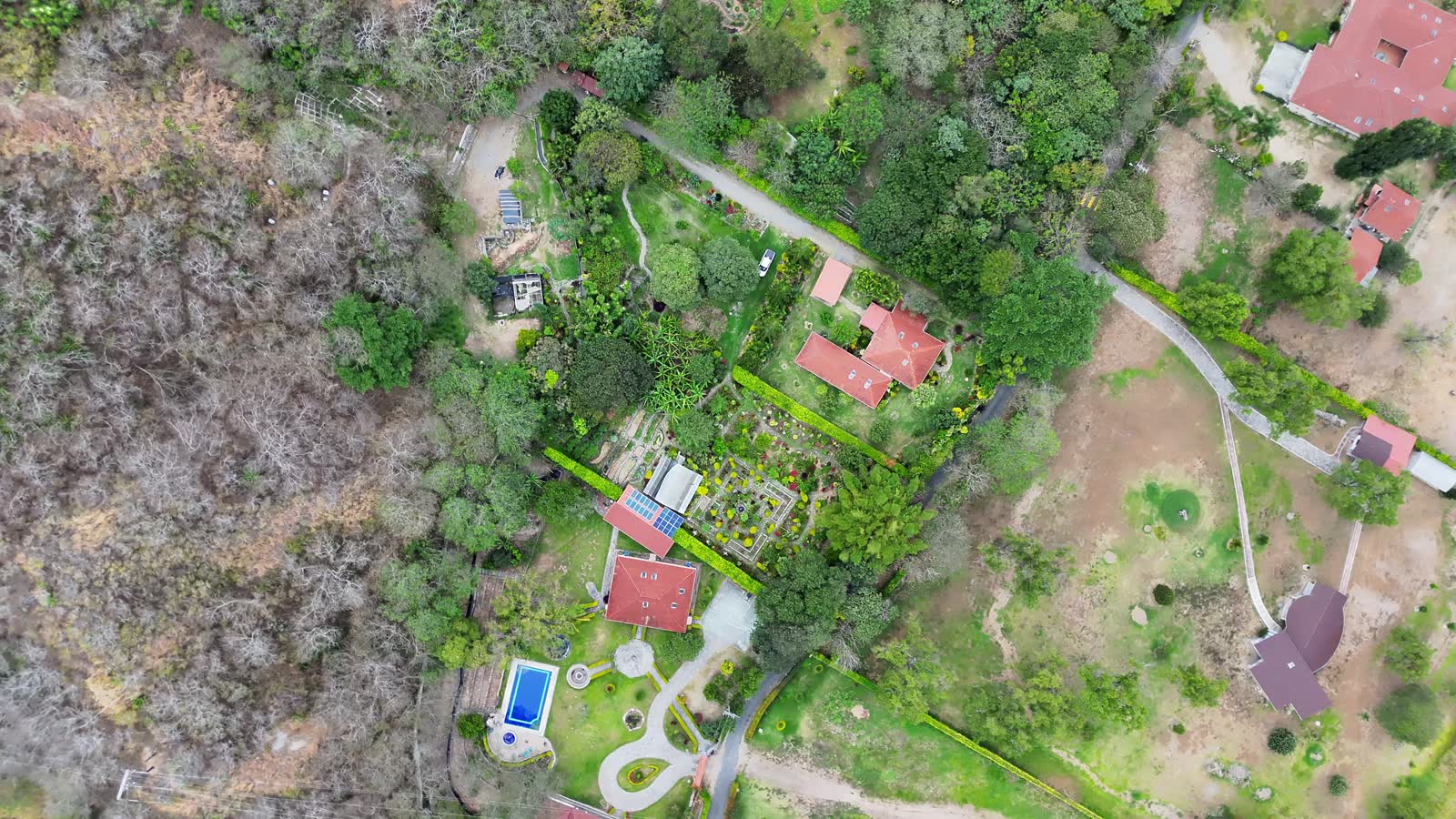
Over the years, we have deliberately planted flowers, flowering trees and shrubs throughout the property that bees love. Any time of year there is always something is in bloom, and as you walk through the gardens it is perfectly normal to find yourself surrounded by bees moving industriously from flower to flower.
Those flowers grow in the same living soil we have spent years developing. They receive the organic nourishment we produce here on the property, including our biol and worm castings, and they are irrigated with the structured water that flows throughout the estate.
We cannot tell you that any one of those things makes our honey taste the way it does. Nature is far too complicated for such a simple explanation.
What we can tell you is what happened.
We began with a single Langstroth beehive, located on the mountainside above the residential portion of the property. The bees had access not only to our gardens but to the extraordinary diversity of flowering plants growing throughout the surrounding Andean landscape.
The colony prospered.
As the bee population increased, we gradually expanded the apiary, adding additional boxes and honey supers—the upper sections of a Langstroth hive in which the bees store the honey that can eventually be harvested.
Before we quite realized what was happening, we were harvesting 12 to 15 gallons of raw honey at a time—far more than the two of us could possibly use. So we began giving it away.
It quickly became one of the most popular gifts we had ever given. Friends would taste it, ask for another jar and then ask whether they could buy more.
That presented us with a rather delightful problem.
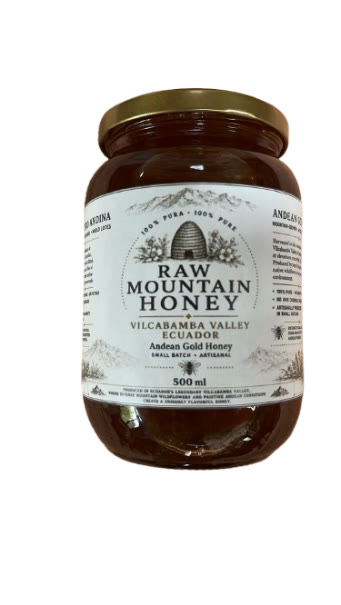
Eventually we created our own estate honey label and gave it a name that seemed to capture exactly where it came from:
Andean Gold Raw Mountain Honey
We took jars to three local shop owners and asked them to taste it. All three told us that it was among the best honey they had experienced and immediately asked if they could carry it in their stores.
We had no particular desire to go into the honey business, so we arrived at a wonderfully simple arrangement. Rather than being paid in cash, we barter.
The stores retain 20 percent of the selling price and credit the remaining 80 percent to us for anything we wish to purchase. As it happens, the three outlets include an organic specialty shop, a European delicatessen and the largest supermarket in Vilcabamba. Between them, there is very little we need that we cannot obtain in exchange for something produced by bees living on our own mountainside.
There is something deeply satisfying about that circle.
We nurture the soil. The soil nourishes the plants. Our water feeds their roots. The plants produce the flowers. The flowers feed the bees. The bees give us honey. And the honey, in turn, helps provide some of the things we don't produce ourselves.
It was never designed as a business model. It simply grew out of the way we chose to live.
Andean Gold is therefore more than our estate honey. In a small but rather beautiful way, it represents the entire philosophy of this property: create healthy soil, respect the natural systems around us, waste as little as possible, produce what we can ourselves, share the abundance—and allow one part of the land to nourish another.