Living Soil
Our Unique Organic Booster System
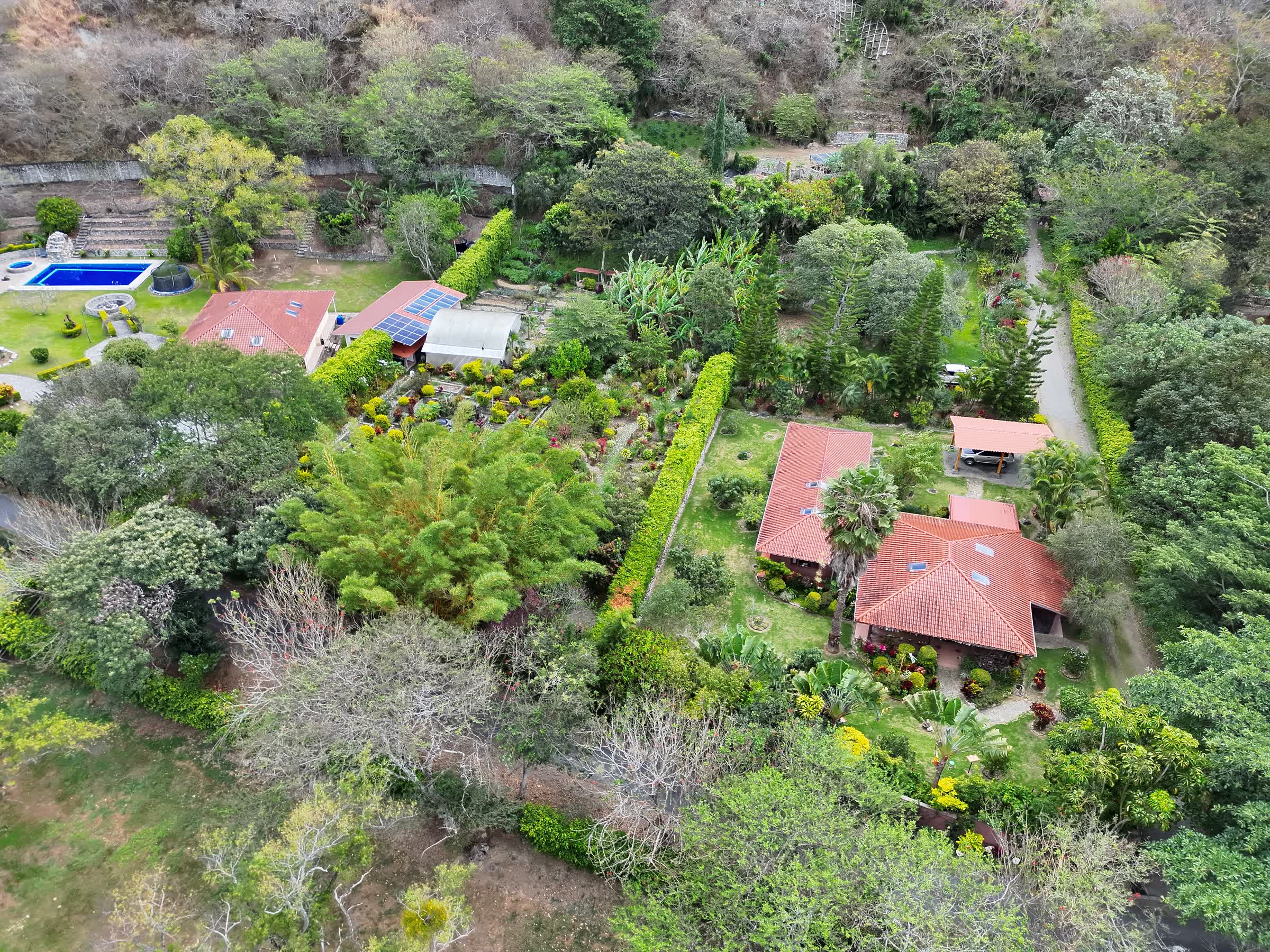
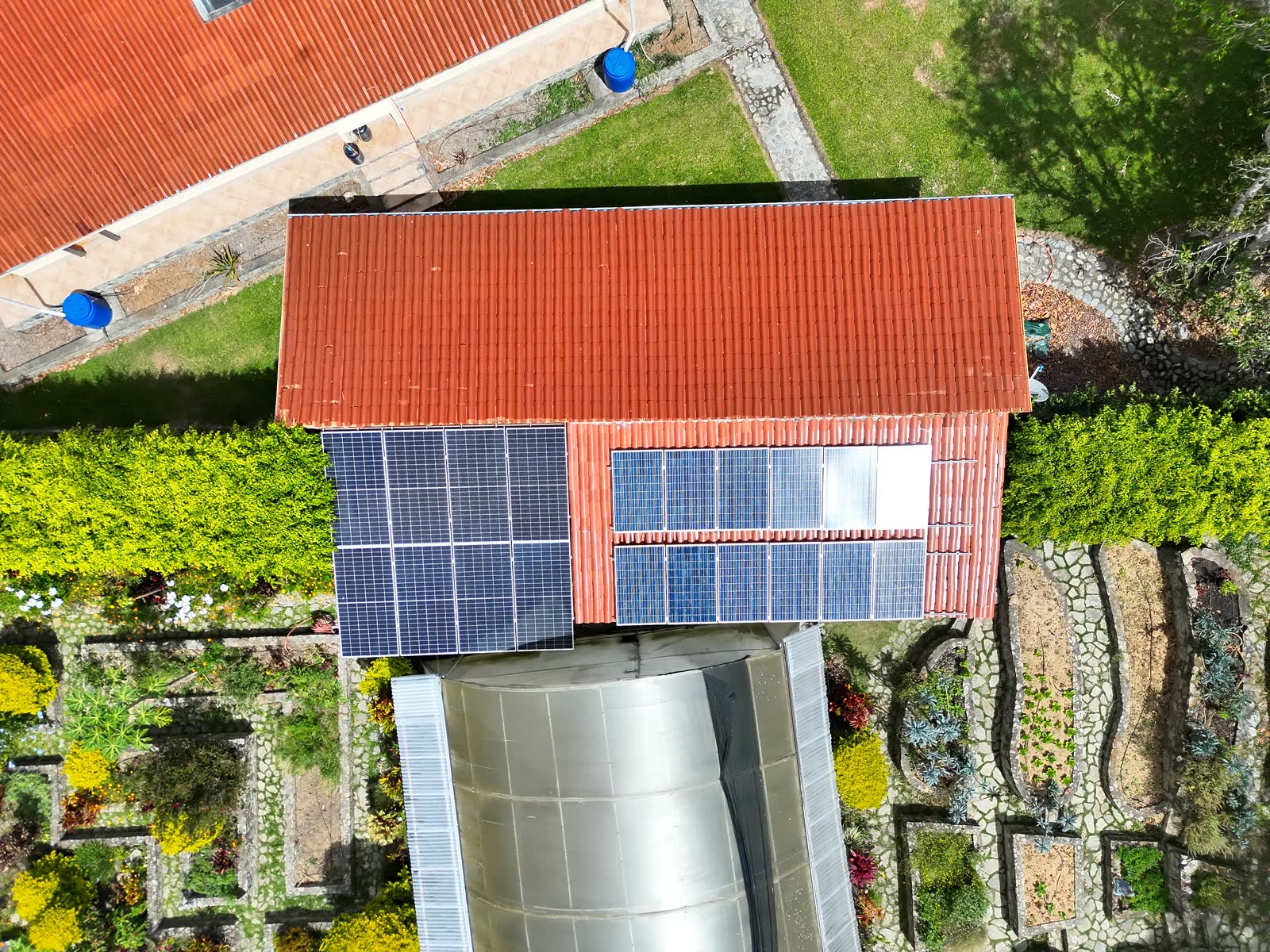
We often remind ourselves that we are in the business of creating soil. It is the soil's job to nourish extraordinary plants.
Over the years, that simple philosophy led us to develop our own system for producing much of the organic nourishment used throughout the property. It is part composting, part vermiculture, part fermentation—and, after years of refinement, very much our own.
The process begins with three raised worm beds. We originally seeded them with several kilos of red wigglers, obtained from the Municipality of Loja, our nearest city, approximately 40 kilometers away. These remarkable little creatures are among the most efficient composting worms in the world.
We feed them carefully selected kitchen waste from our own home, avoiding citrus, pineapple, onions and garlic. Several restaurants in Vilcabamba also save suitable kitchen scraps for us, and each week we receive two large garbage cans filled with material that otherwise would simply have been thrown away.
The worms transform all of this into wonderfully rich castings. But for us, the castings are not the end of the process. They become one of the principal ingredients in something even more interesting.
Locally it is called biol—a nutrient-rich liquid organic fertilizer produced through the transformation of organic materials. We sometimes think of ours as liquid super-food for the garden.
Our method of making it begins with a system we designed ourselves. We constructed a special pit over a drainage and collection system and fill it in layers with composted plant material from the property, wood chips produced from our own trees, selected bacterial cultures obtained from a local herbalist, and three different kinds of animal manure.
An automatic sprinkling system regularly waters this mixture from above. The water slowly percolates downward through the different organic layers, gathering the products of decomposition along the way before draining into a holding tank beneath the pit.
That nutrient-rich liquid then enters the next stage. We suspend a large permeable bag filled with our worm castings in the collected mixture and bubble air through it. The aeration encourages an aerobic microbial environment while boosting the liquid extracts material from the castings.
What began as kitchen scraps, garden waste, tree trimmings, manure and the work of thousands upon thousands of worms has now become a concentrated liquid organic plant food produced entirely from materials generated here or collected locally.
And then we return it to the land.
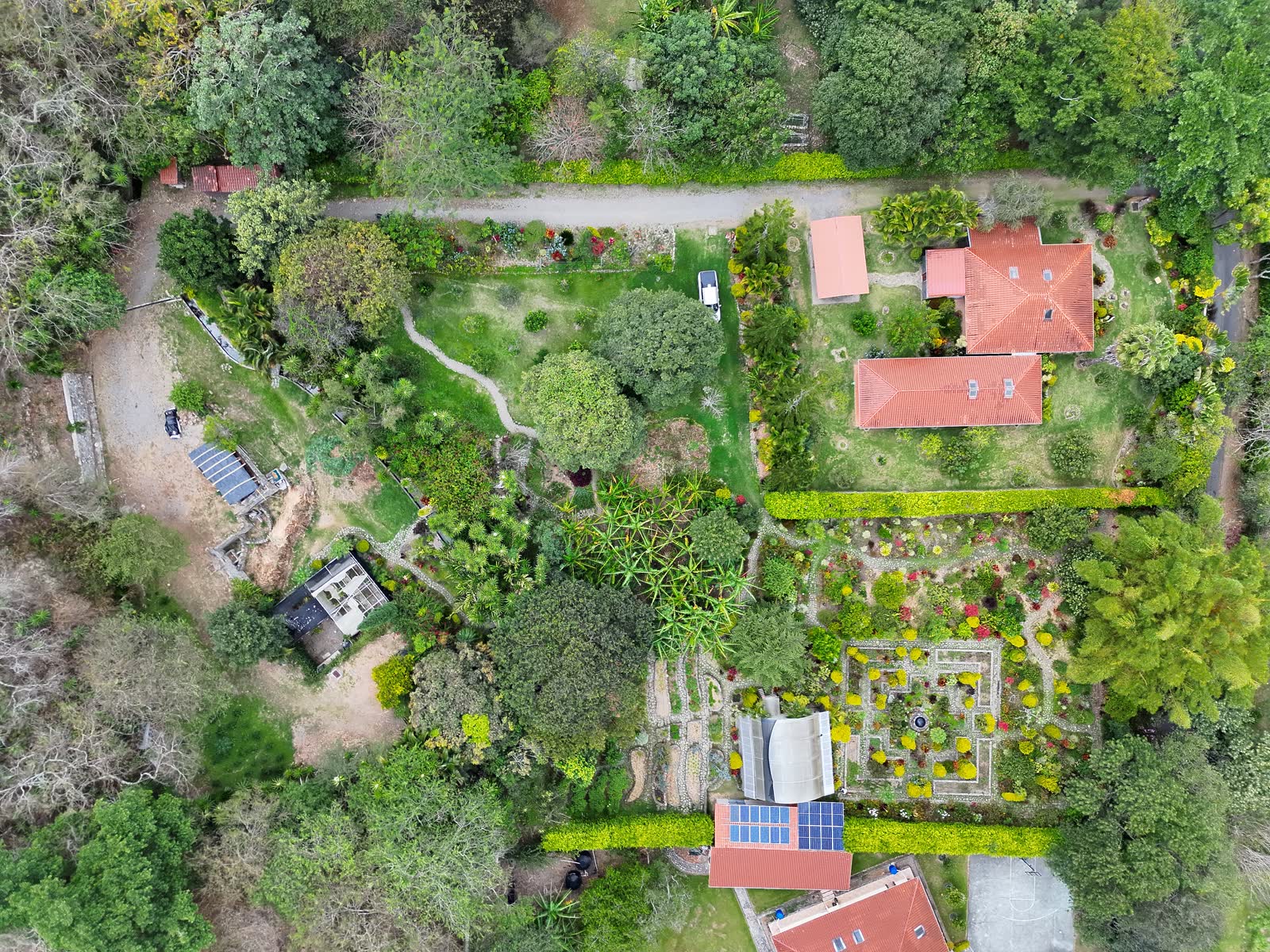
Our biol is distributed throughout the property through a gravity-fed network, making it available to the gardens, fruit trees, coffee, vegetables, greenhouses and flowers. Those flowers, in turn, nourish the bees that produce our mountain honey. In the tomato greenhouse, the same biological approach helps nourish our Tomato WOW plants, generation after generation.
Combined with our structured water, composting and continual attention to the life of the soil, this system has become one of the foundations of the extraordinary fertility we see throughout the property.
There is a satisfying circularity to it. Kitchen and garden material that might otherwise be discarded feeds the worms. The worms create castings. The castings enrich the biol. The biol feeds the soil. The soil feeds the plants. And the plants feed us.
We don't regard waste as something to get rid of. We regard it as the beginning of the next harvest.