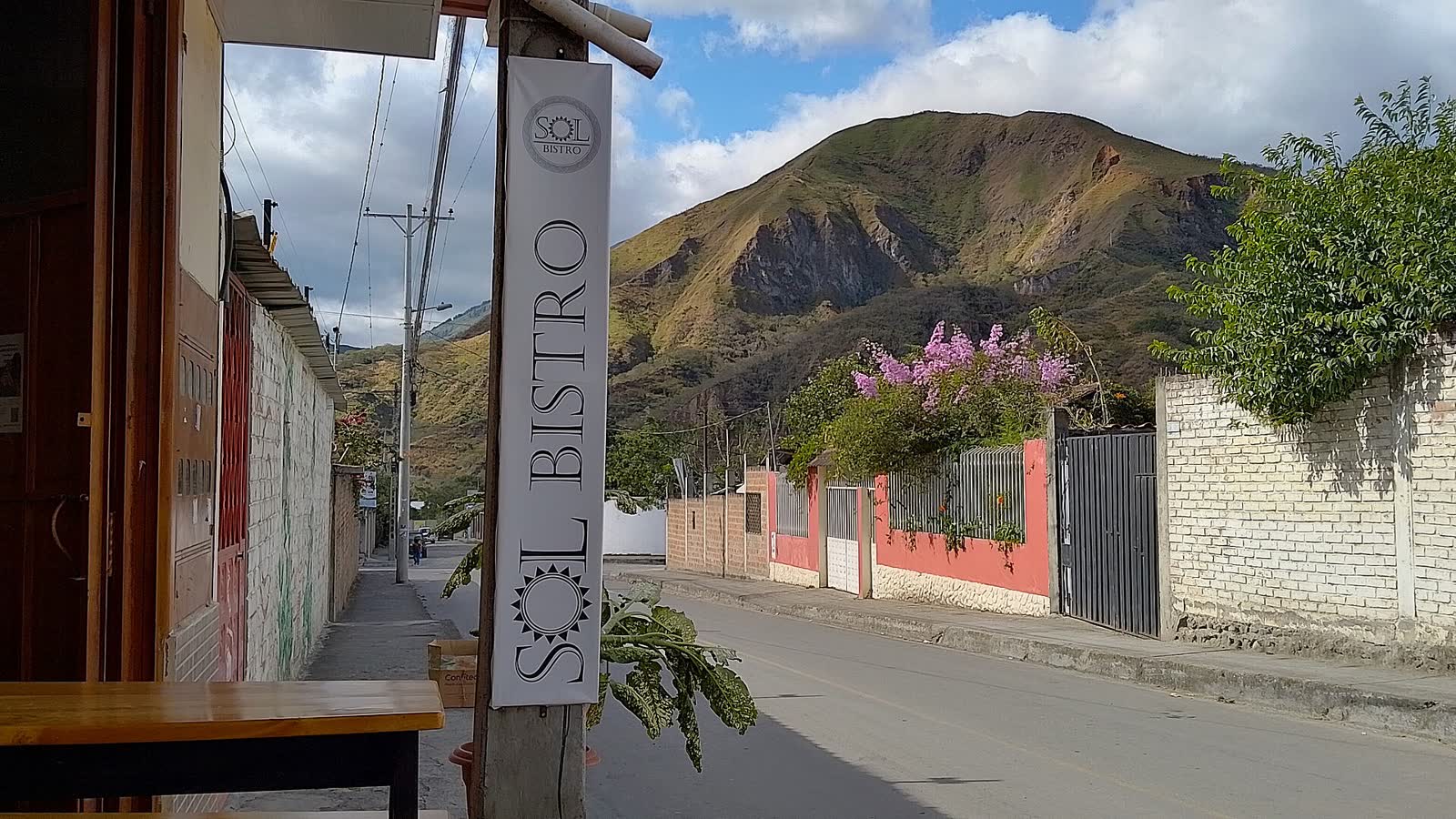
Vilcabamba
A Sacred Valley of Legends, Longevity and an Extraordinary Way of Life
There are places one visits and places that somehow capture you. Vilcabamba did that to us.
After traveling around the world twice and living or working on six continents, Arianne and I had experienced many beautiful places. But when serendipity brought us to this small valley in the southern Ecuadorian Andes, we sensed something different. Eventually, we stopped looking.
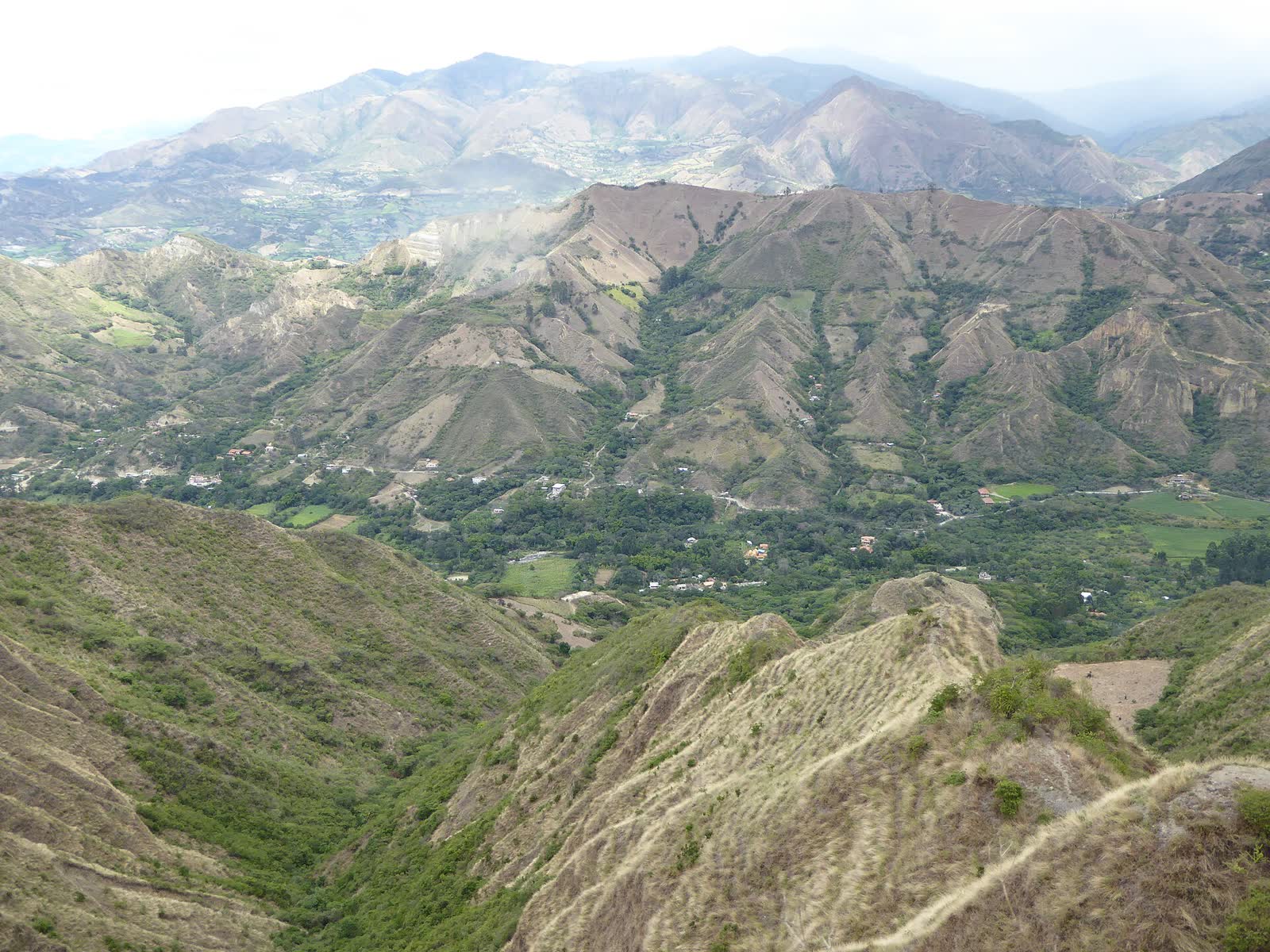
Vilcabamba's story reaches back centuries. Its ancient name, Huillopamba, is associated with the sacred huilco tree, which once grew throughout the valley and still grows on our property. The Municipality of Loja translates the old name as “Sacred Valley.”
Local tradition holds that the valley was known to the Incas and served as a place of rest and renewal for Inca royalty. Whether Inca emperors themselves actually walked this valley some 500 years ago has been lost to history, but the story has endured through generations. Even our gardeners tell us they have discovered objects on the property that they believe may date from those earlier inhabitants.
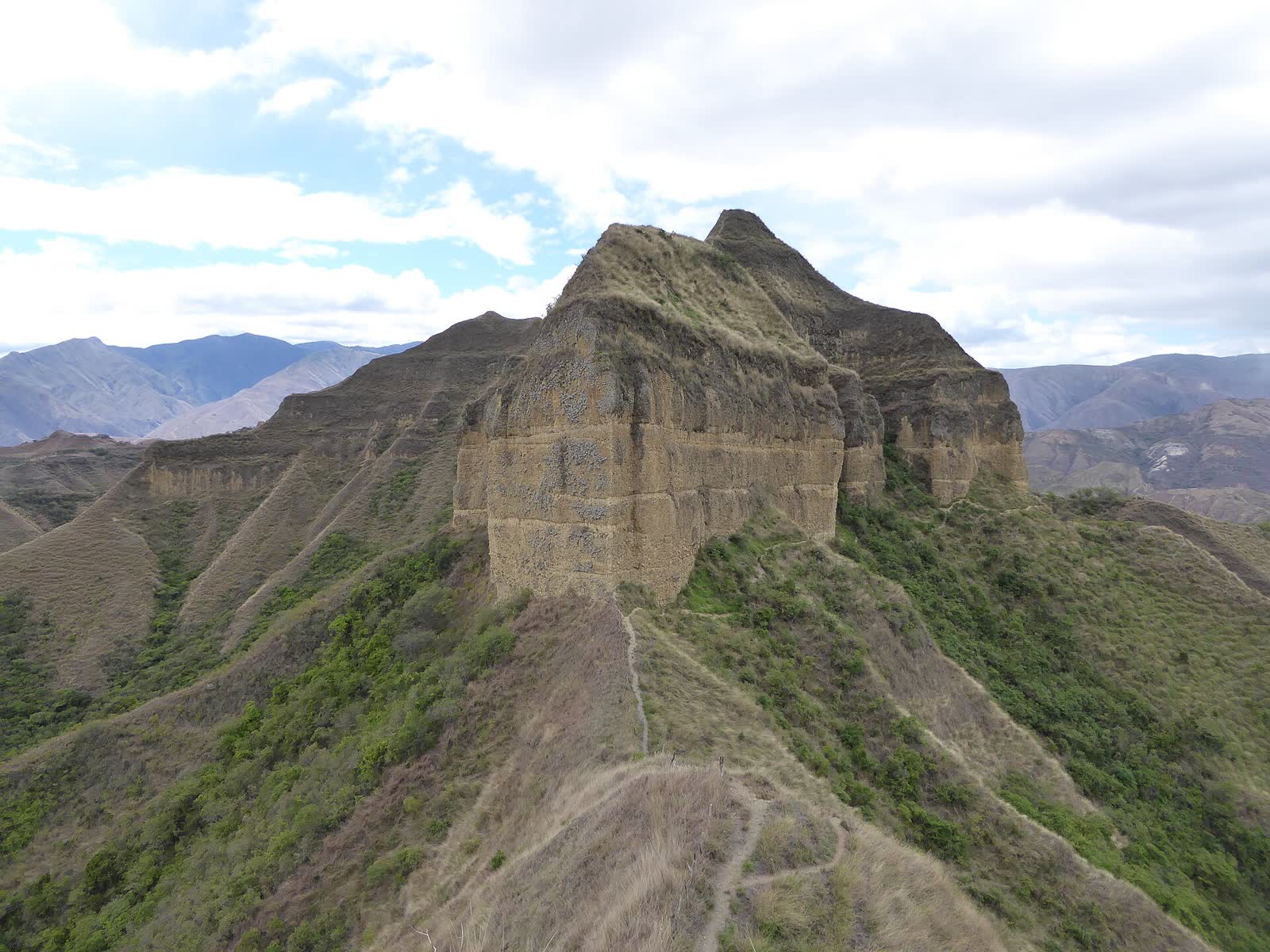
Dominating the valley is Mandango, the extraordinary mountain whose unmistakable profile resembles a reclining human figure. It is known locally as the Sleeping Inca, and legend says that it watches over and protects the valley. Our property lies across the Vilcabamba River on the western side of this remarkable mountain, making Mandango part of our everyday landscape.
The Valley of Longevity
Vilcabamba eventually became famous far beyond Ecuador for another reason.
For decades it has been known as the Valley of Longevity. Beginning in the twentieth century, stories circulated of remarkably vigorous elderly residents, some said to have reached extraordinary ages. The reports attracted doctors, scientists, journalists and travelers from around the world, and Vilcabamba became internationally associated with longevity and healthy aging.
Later researchers discovered that some of the most spectacular age claims resulted from unreliable records and age exaggeration, and the legendary numbers could not be scientifically substantiated.
But perhaps the numbers were never the most interesting part of the story.
What visitors encountered was a population in which older people traditionally remained active, walking the mountain roads, tending their land and gardens, eating much of what was grown locally and remaining embedded in family and community life. Early researchers themselves remarked upon the physical labor, largely plant-based traditional diet and closely knit social structure they encountered.
The legend survived.
To this day, Vilcabamba remains widely known as the Valley of Longevity. Although I cannot make any scientific claims, I have already outlived both my parents my more than twenty years and I feel and look far younger than my birth certificate reveals .
People continue to come here attracted by the same things that first fascinated visitors decades ago: the mountain air, abundant water, productive soil, fresh food, outdoor life, extraordinary climate and slower rhythm of a small Andean valley.
We make no promises about living to 100.
But Vilcabamba does make it remarkably pleasant to grow older.
A Village the World Discovered
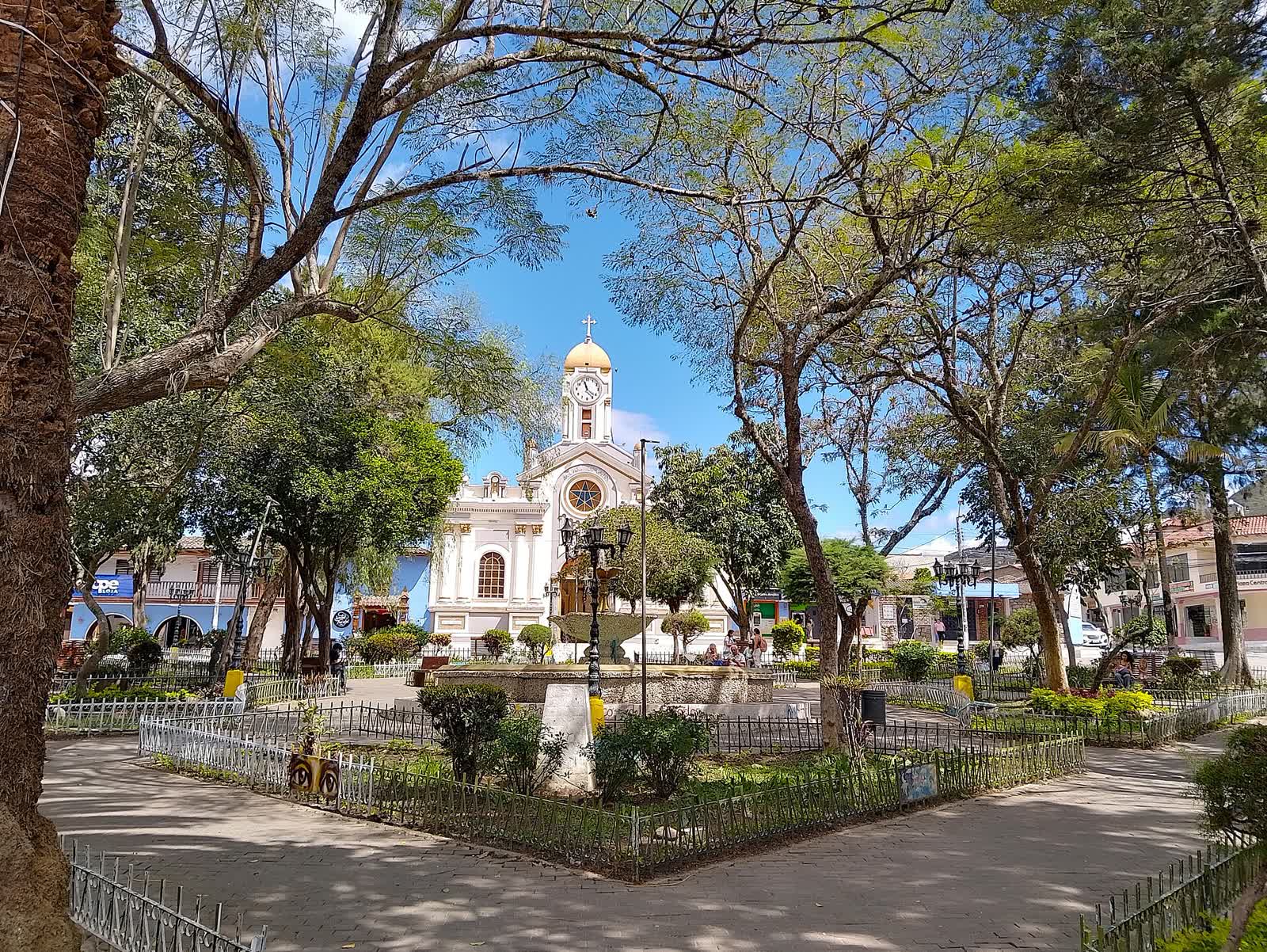
Perhaps the greatest surprise is what Vilcabamba has become without losing its essential character.
During our fourteen years here, we have watched it develop into an unusual fusion of old Ecuador and the wider world. Local families whose roots in the valley extend back generations now live alongside people who have arrived from North America, Europe, Asia, and many other parts of the world. They brought languages, foods, skills, ideas and traditions with them, while becoming part of an already rich local culture.
The result is something we have encountered in very few small towns anywhere.
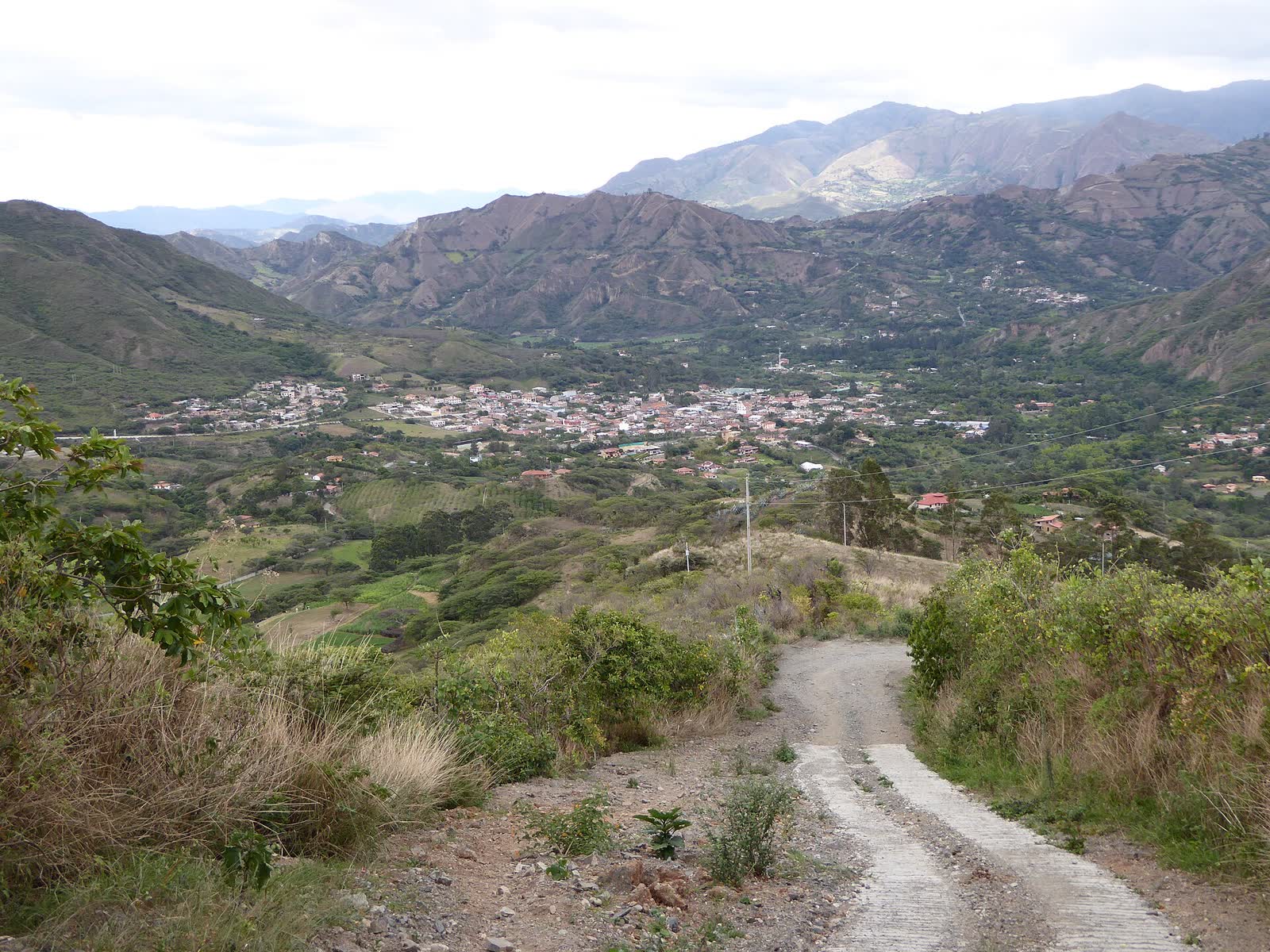
The surrounding parish has only about 5,500 residents, small enough that Vilcabamba still feels unmistakably like a village. Yet its cosmopolitan character is astonishing for a community of this size. There are dozens of restaurants and cafés, ranging from Ecuadorian food to Chinese, Italian, Mexican, Middle Eastern, Thai, Vietnamese, German, vegetarian and organic cooking.
There are French bakeries where we can buy baguettes, croissants, quiche and pastries that remind me of my years in Paris, and a European delicatessen stocked with imported cheeses, meats and condiments. At the other end of the spectrum, an excellent Ecuadorian meal of several courses can still cost little more than a few dollars.
That juxtaposition is part of Vilcabamba's charm. It can feel wonderfully remote without requiring us to live remotely.
Life Still Comes From Nearby
Perhaps what we value most, however, is something much simpler.
There are weekend markets filled with locally grown produce. Our eggs come from chickens I pass along the short road to our property. Our cow and goat yogurt is made by local families. Coffee is grown in the valley. Honey, fruit, vegetables, breads and many of the foods that reach our table are produced by people we actually know.
That changes one's relationship with food—and with community.
Over time, shopkeepers recognize you. Farmers become friends. The person who makes your yogurt isn't an anonymous supplier. The people growing your vegetables may be standing beside you at the market.
After fourteen years, we don't feel like foreigners who happen to live in Vilcabamba. We feel that we belong here.
And perhaps that is the quality of Vilcabamba that is hardest to convey on a website.
It isn't simply the mountains. It isn't the almost perpetual spring, the fertile soil, the water, the gardens, the legends of the Incas or even the intriguing history of the Valley of Longevity.
It is the unlikely combination of all of them.
An ancient Andean valley with a remarkably international soul. A small village with food and culture from around the world. A place where much of what you eat can still come from the land around you. A community modern enough to live comfortably in, yet close enough to the rhythms of nature that you never quite forget where you are.
We traveled a very long way before finding Vilcabamba.
Once we did, we stopped searching.